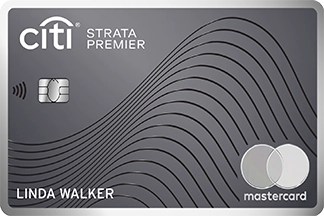
5x through Chase Travel; 3x on dining, gas and EV charging, select streaming, online grocery, and eligible vacation-home rentals; and 2x on other travel.
Why it made this list: Transferable travel points and useful everyday categories at a moderate annual fee.
Referral link — Cardwell may receive a reward. Rankings stay independent.
Choose how you want to book
Some cards offer their strongest value through an issuer travel portal. Others are more flexible for direct bookings or point transfers. Start with the booking method you are comfortable using repeatedly.
Value benefits at what they save you
A travel credit or lounge benefit is valuable only when it replaces money you would otherwise spend. Do not count the full advertised value when a benefit is difficult to use or encourages extra purchases.
Match the annual fee to your travel level
Occasional travelers may prefer a simpler or lower-fee option. Frequent travelers may receive more value from premium benefits, but only after comparing realistic yearly use with the annual fee.
Put the numbers in context
A practical way to evaluate this category
A worked example — not a card offer
Imagine a $400 annual fee and credits saving $150 on purchases you already planned. The remaining cost is $250 before rewards and other benefits. Do not subtract a credit’s advertised maximum if you will not naturally use it. This is a hypothetical example, not an estimate for a named card.
Details that can change your result
Compare direct booking with portal-only rates: a higher multiplier can be offset by higher prices or different cancellation and loyalty rules. Points have no universal cash value. Lounge access and insurance also depend on eligibility and actual use.
When this category may not suit you
Infrequent travelers and people carrying a balance can lose more to fees and interest than a premium card returns. A simpler low-fee card may better fit their budget and willingness to manage benefits.