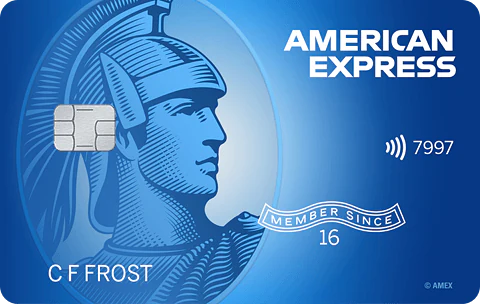
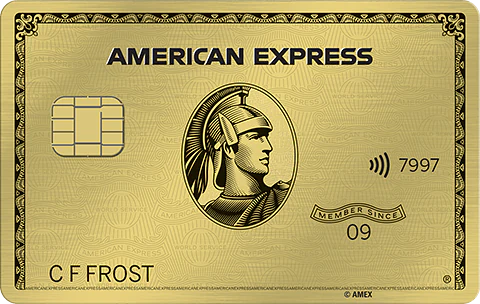
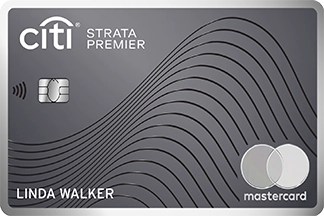
5x through Chase Travel; 3x on dining, gas and EV charging, select streaming, online grocery, and eligible vacation-home rentals; and 2x on other travel.
Why it made this list: Transferable travel points and useful everyday categories at a moderate annual fee.
Issuer grocery categories often depend on merchant coding. A neighborhood supermarket may qualify while a superstore, warehouse club, convenience store, or meal service may not.
Measure the value after limits
Some grocery rewards have annual or monthly spending caps. Estimate how much of your normal grocery budget earns the bonus rate and what rate applies after the cap.
Balance groceries with the rest of your budget
A strong grocery card may also reward dining, gas, travel, or online purchases. Compare the full household budget instead of choosing from one category alone.
Put the numbers in context
A practical way to evaluate this category
A worked example — not a card offer
At $500 a month in eligible groceries, a hypothetical 3% cash-back card earns $180 a year, versus $120 at 2%. The $60 difference would not cover a $95 annual fee alone. These are examples, not offers for a named card.
Details that can change your result
Separate supermarkets from warehouse clubs and superstores, and in-store purchases from online orders. An online-grocery bonus does not automatically apply at the checkout counter. Calculate both the bonus portion and the lower-rate portion after any cap.
When this category may not suit you
A grocery-focused card may add little value if most food spending goes to restaurants or excluded stores. Do not move shopping to a more expensive store just for a higher reward rate.